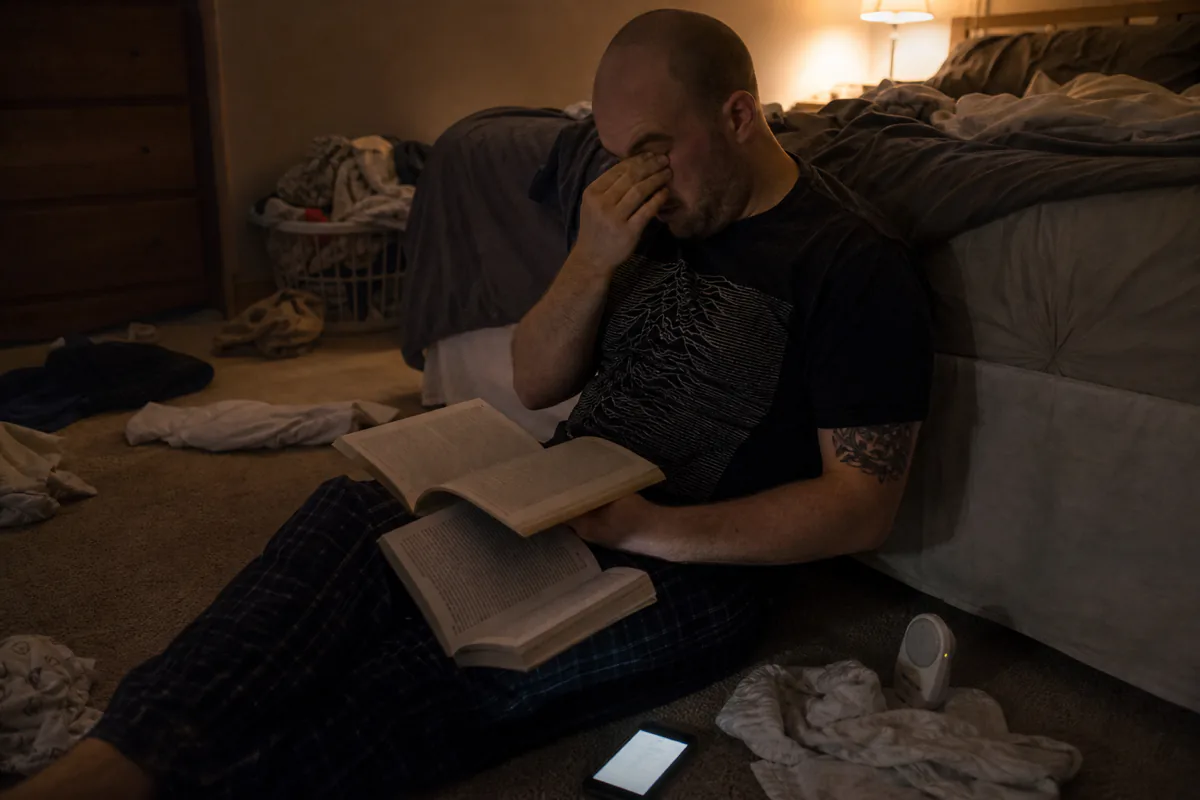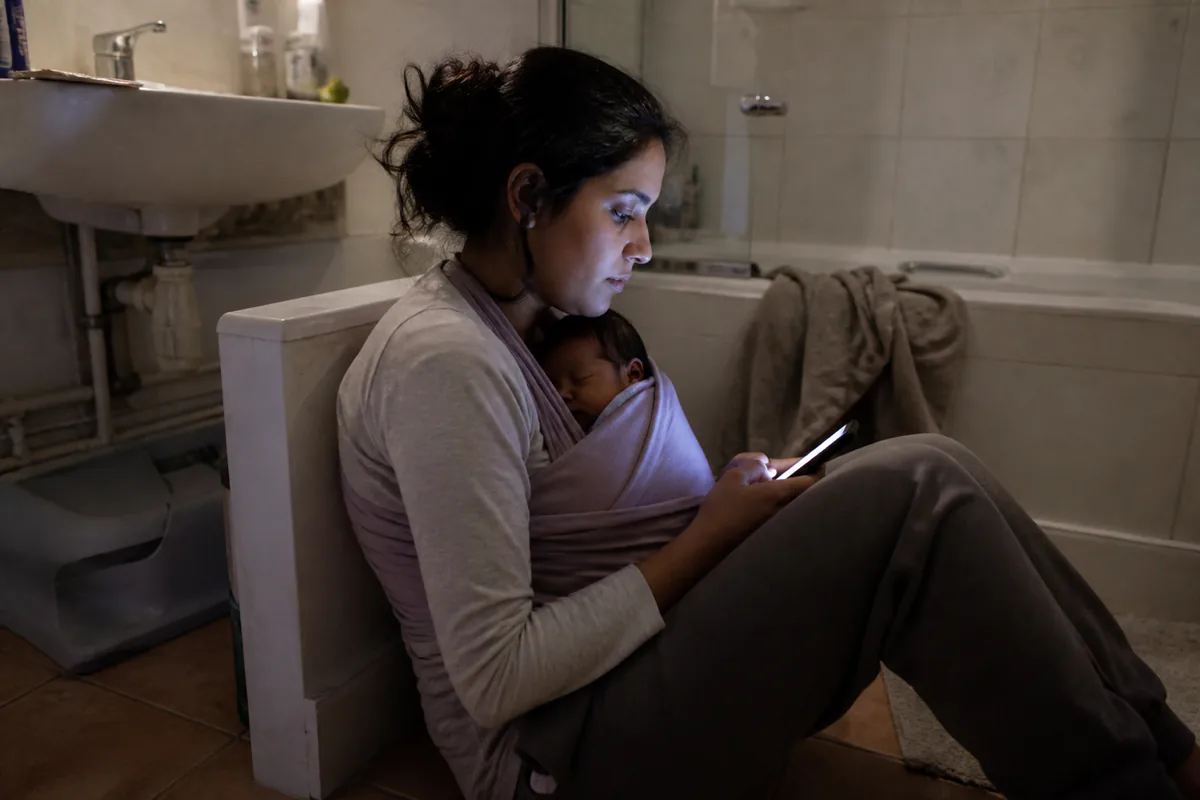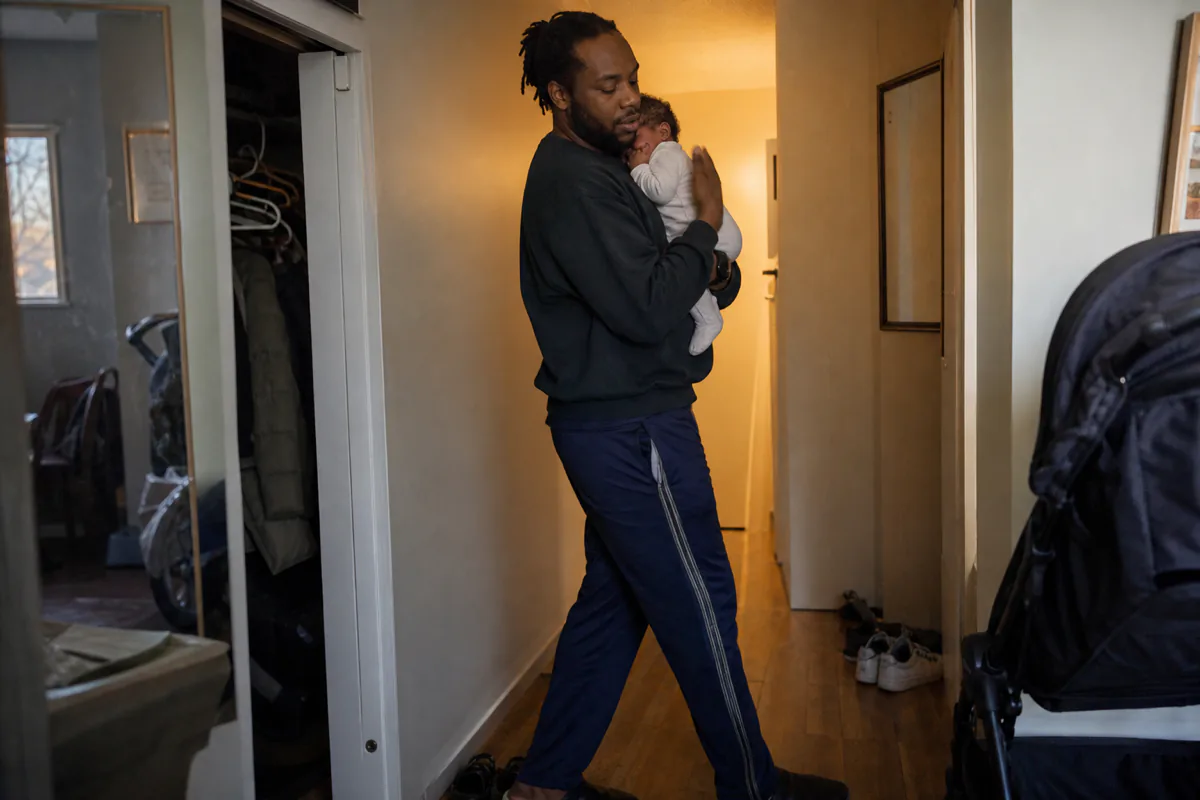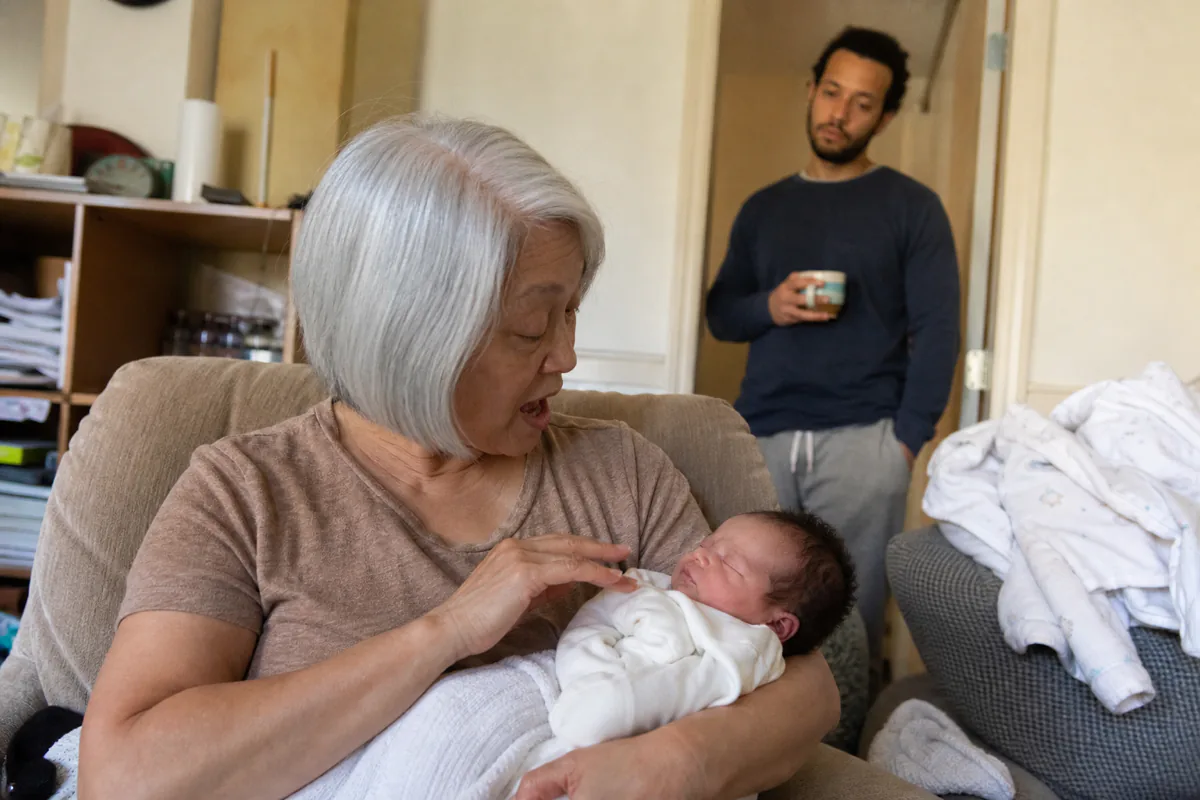
Before the birth, comments about the name were annoying. Now they land somewhere else entirely, and people who mean no harm keep making them.
The difference is not that they have got ruder. It is that the name has changed what it is.
Why it stings more now
A name before the birth is a proposal. Somebody saying they do not like it is disagreeing with a choice.
A name after the birth is a person. Somebody saying they do not like it is now, to your ear, saying something about your daughter — who is asleep in the next room and has done nothing to anyone.
That is why the same sentence that made you roll your eyes in March makes your chest tighten in June. Nothing about the comment changed. The thing it is attached to did.
The comment behind the comment
It is usually not about the name.
Baby-name consultants who deal with this professionally — Sherri Suzanne among them, quoted on the subject of family naming disputes — describe most of it as generational style clash. The names a grandparent finds beautiful are the names that were beautiful when they were choosing, and taste in names moves in roughly hundred-year cycles.
Underneath that there is often something else again: a hoped-for family name that did not get used, a sense of not having been consulted, or simply that this is the one part of the baby they feel entitled to have a view on.
None of that makes the comments acceptable. It does make them less personal, which helps when you are deciding how much of your energy to spend.
Scripts that end it
Warm, short, final. The most common mistake is explaining, because an explanation is an invitation to keep discussing:
- "She's an Ottoline. That's who she is now." — Present tense, closed.
- "We love it, and it's done." — Two clauses, no opening.
- "I know it's not what you'd have chosen." — Agreement, which leaves nowhere to go.
- "You'll get used to it — everyone does." — Light, and quietly certain.
- "I'd rather not do this one again." — For the third or fourth time, said kindly.
Say the same one every time. A new answer each time sounds like a position being defended; the same answer sounds like a fact being restated.
When to let it wash past
Not everything needs closing down. A grandparent who uses a nickname you did not choose is usually not making a point — they are doing what grandparents have always done, which is to invent their own name for a child and use it for forty years.
That is different from refusing to use the name at all. One is affection taking its own route; the other is a position. Only the second needs answering.
It is also worth knowing that most of this stops on its own. The name becomes ordinary through repetition, usually within a few months, and the people who had opinions genuinely forget they had them.
The decision is closed. It does not reopen because somebody keeps asking.
If it does not stop
A relative who is still on it after several months, and who will not use the name, has moved from having an opinion to making a point. That is worth naming directly and once — not as a row, but as a statement: this is her name, we would like you to use it, and we are not discussing it again.
Then let it sit. People generally come round, and the ones who do not have told you something about themselves rather than about your daughter's name.
One thing to keep out of it entirely: whether the name could be changed. It can, everywhere, and that is a process for a different article — but raising it in this conversation hands the other person a reason to keep going.