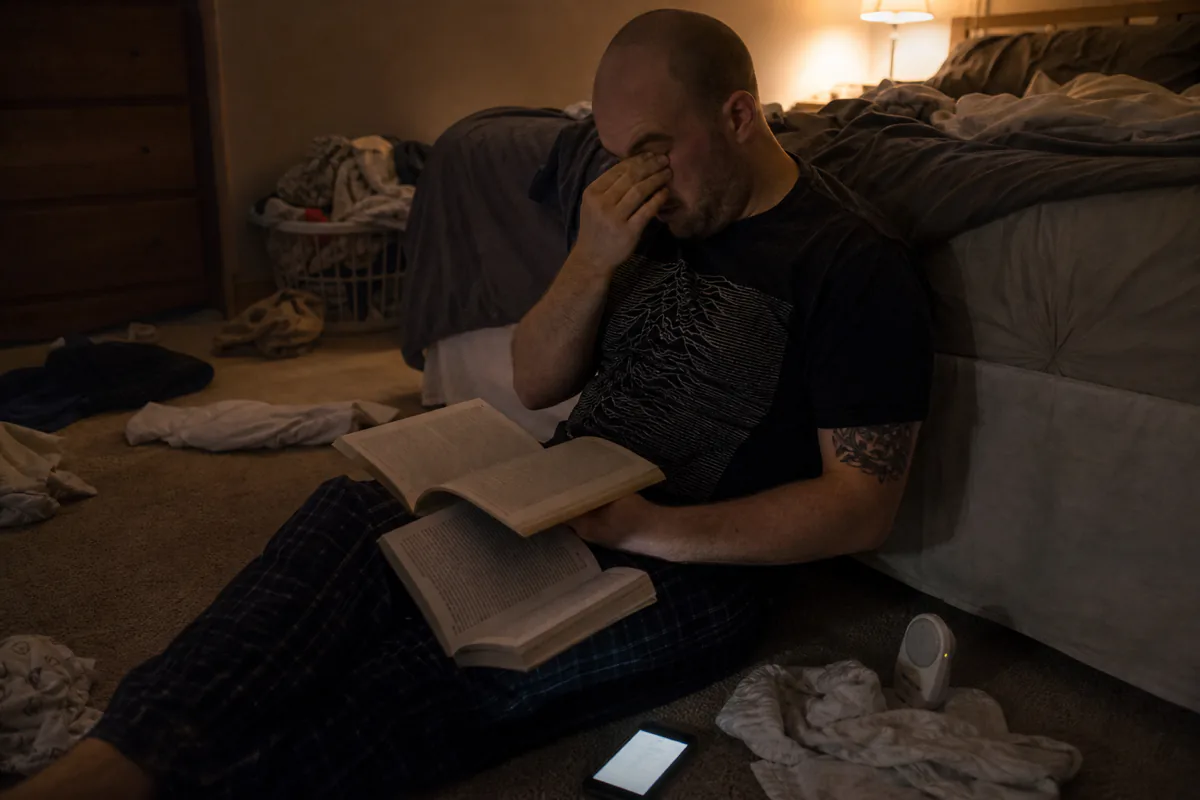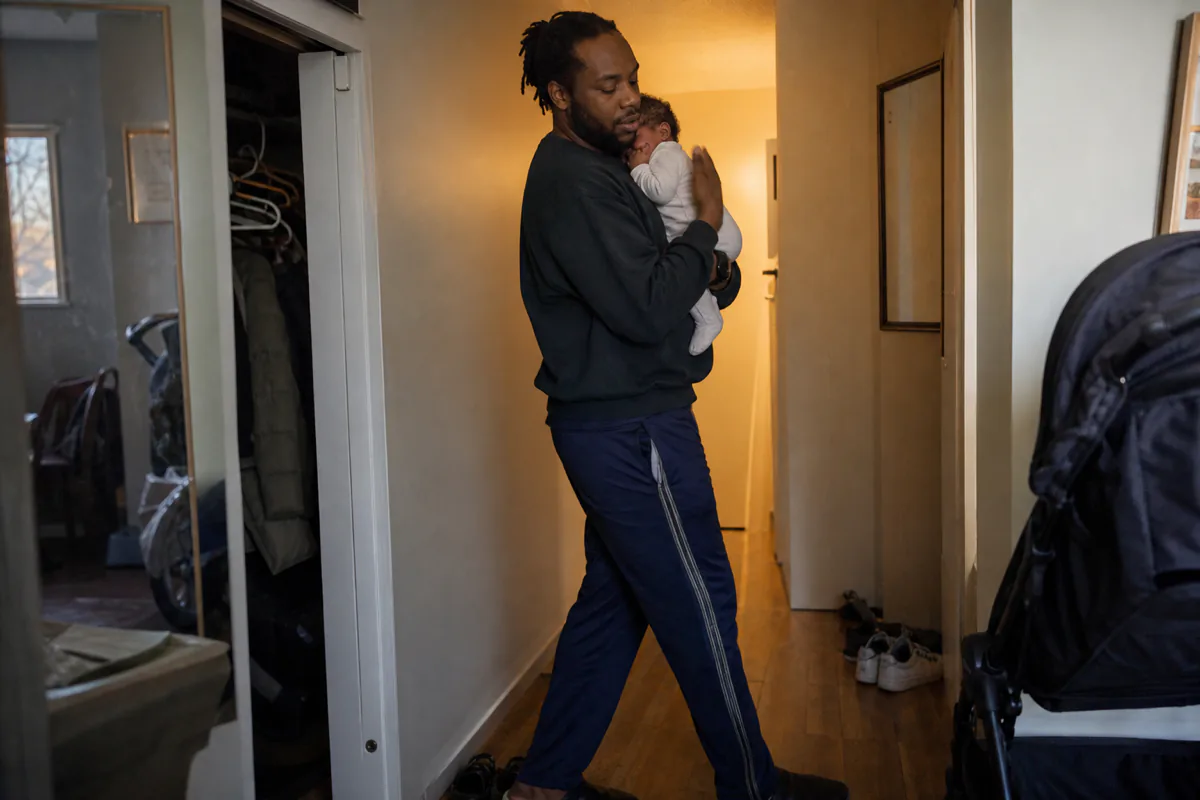
You will be told to trust your instincts roughly once a day. It is meant kindly. It is also the least actionable sentence in the whole of parenting, because it is usually said by someone who has forgotten that a new instinct does not come with instructions.
Worse, it arrives alongside its exact opposite. Trust yourself — and also, do not second-guess the professionals. Both, from the same people, in the same week.
The advice that eats itself
These two do genuinely conflict, and pretending otherwise is why the phrase feels so useless.
"Trust your gut" says you are the expert on this baby. "Ask a professional" says you are not. Held together with no explanation, they produce a person who feels wrong for worrying and wrong for not worrying.
They can be reconciled, but only by being specific about what each one is for. They are answers to different questions.
What instinct is genuinely good at
One thing, and it is a big one: **noticing that your baby's normal has changed.**
You have watched this particular person more hours than anyone else alive. You know their usual noise, their usual weight in your arms, their usual pattern of feeding and settling. Nobody else has that dataset — not a book, not a helpline, not a doctor who has met them once.
So when the feeling is "something is different today," that is real information. It is a comparison against a baseline only you hold.
What instinct is bad at
Almost everything else, and it is worth being blunt about the list:
- Anything with a number in it — doses, temperatures, weights, millilitres.
- Deciding what a symptom means. Noticing is instinct; naming is diagnosis, and they are different jobs.
- Anything that needs a scale, a scan or a blood test.
- Judging your own competence at 4am on broken sleep, when everything feels like evidence against you.
That last one matters most. Exhaustion produces feelings that are indistinguishable from instinct and are not instinct — a flat, heavy certainty that you are doing this badly. It is not a signal about the baby. It is a signal about sleep.
The safety valve
There is one place where the two pieces of advice line up completely, and every health body says the same thing about it.
The NHS, quoted by the NCT in its guidance on infant crying, puts it plainly: trust your instincts if you think something is wrong, and get medical advice. The instinct's job is to make the call. It is not to work out what the problem is.
So the division of labor is: you notice, they diagnose. Framed that way, phoning someone is not a failure of instinct. It is the thing your instinct was for.
Asking for help is not the opposite of trusting your instincts. It is what trusting them looks like.
The three-tab problem
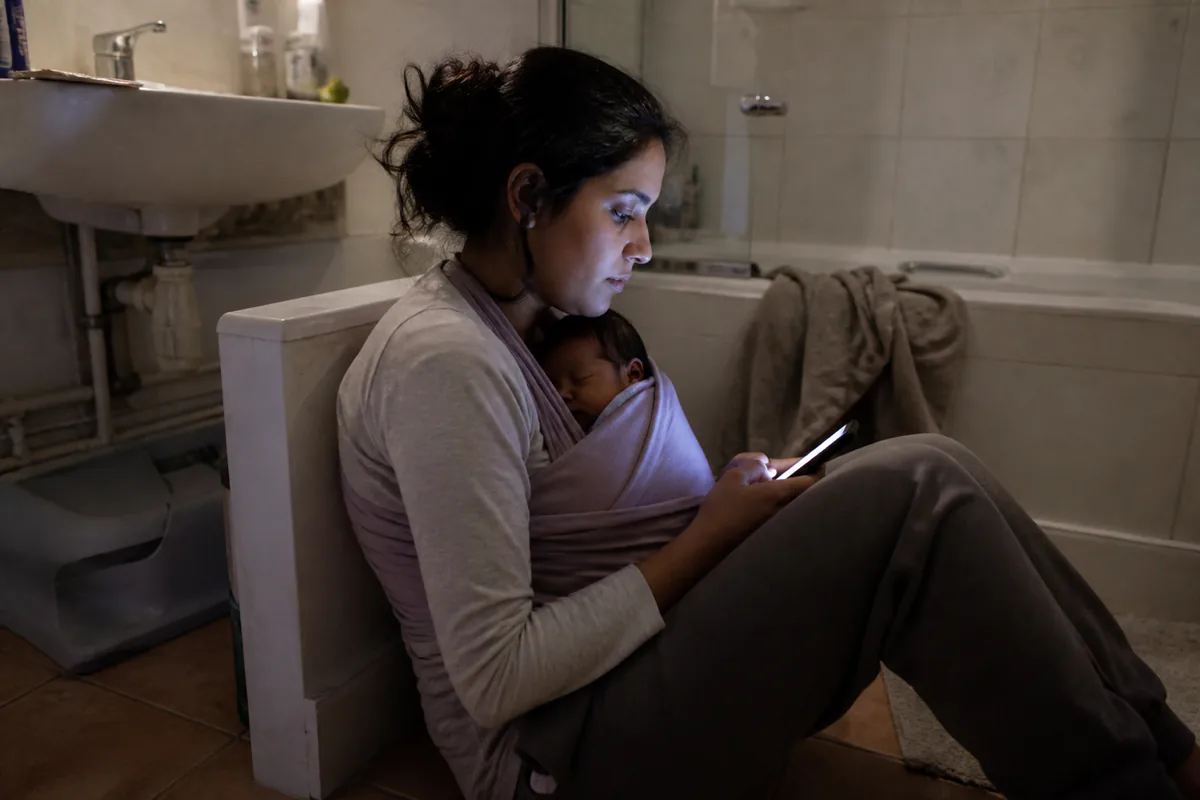
The modern version of this is sitting on a bathroom floor at 2am with three tabs open, reading contradictory advice and feeling steadily worse.
That is not instinct and it is not research. It is anxiety wearing the costume of diligence. The tell is that you are not looking for an answer any more — you have found several and you are still scrolling.
When you notice that happening, the useful move is to close it and either ring the out-of-hours number or go back to bed. Both of those are decisions. A fourth tab is not.
In one line
Instinct tells you *that* something has changed. It has never once told anyone *what* has changed, and it was never supposed to.
The people who say trust your gut mean the first half. They have just left out the second, because by the time you are giving this advice you have forgotten you ever needed it explained.