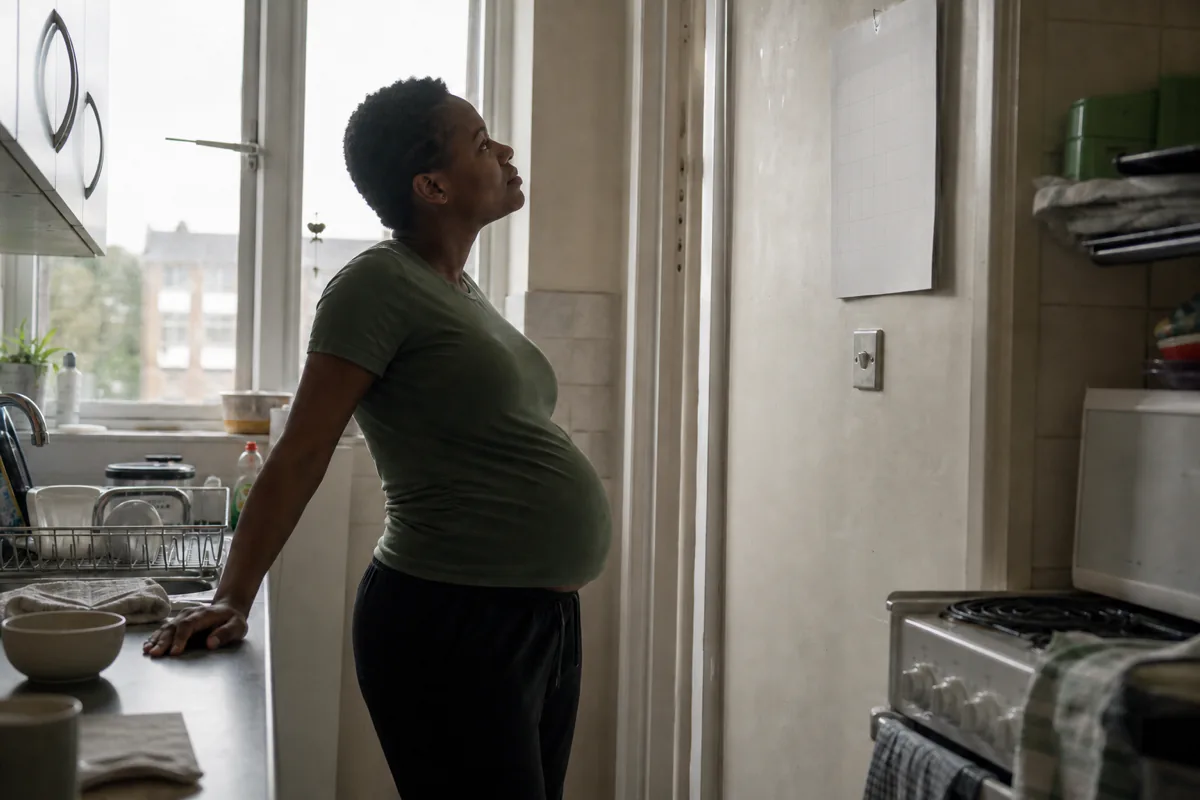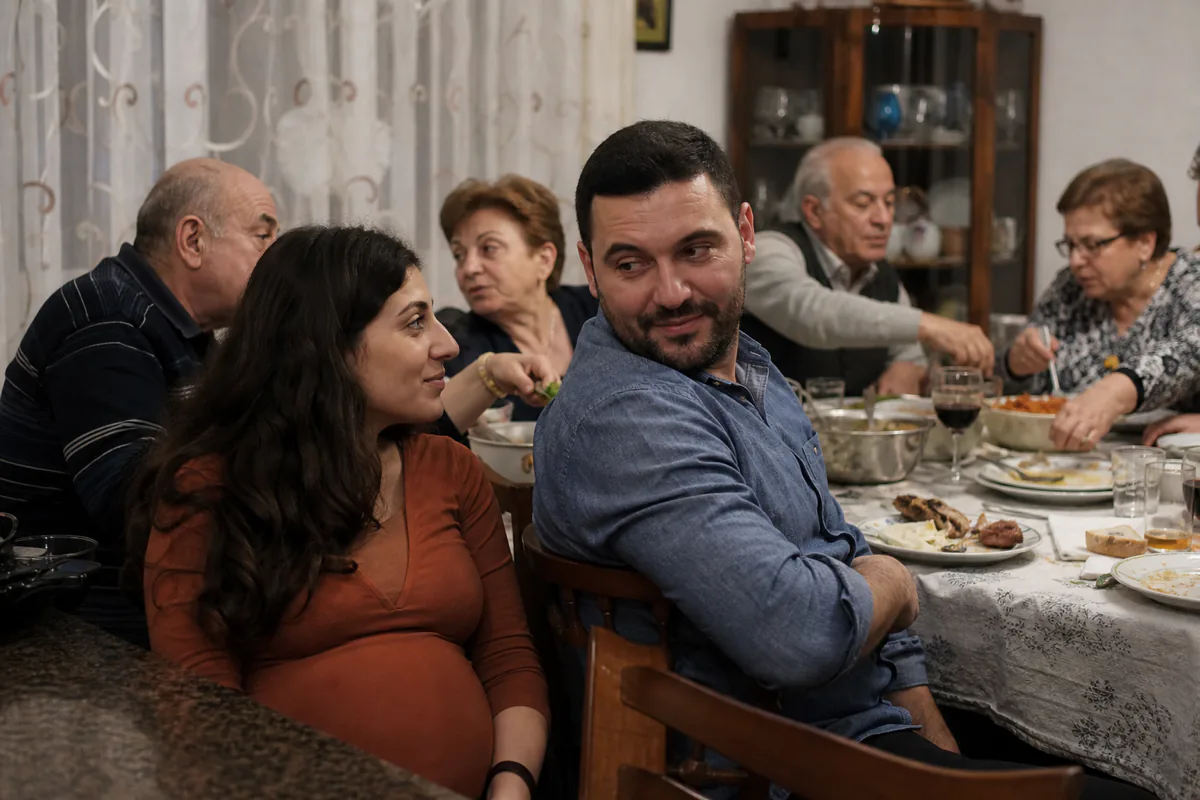
These get treated as one question and they are not. When to tell people you are pregnant is a decision about privacy and support. When to tell people the name is a decision about who gets a vote.
You can answer them differently, and most people should.
Two different secrets
The pregnancy announcement has a well-worn convention behind it. The name does not. Nobody has a script for it, so it tends to slip out in the same breath as the news, and by then it is done.
The difference matters because of what happens next. Told the news, people say congratulations. Told the name, people have a reaction — and a reaction is very hard to take back once it has crossed somebody's face.
Where the twelve-week custom comes from
The convention of waiting until around twelve weeks exists because most miscarriages happen in the first trimester. March of Dimes publishes the breakdown by stage, and that pattern is the reason the custom formed.
That is a description of why the norm exists. It is not a statement about your pregnancy, and no figure on a website tells you anything about how yours is going.
It is also genuinely contested as advice. Writing in Psychology Today, clinicians have made the opposite case: that waiting means anyone who does experience a loss goes through it without the people who would have helped. Both positions are held by reasonable people, and the trade is privacy against support.
You are choosing which of those two you would rather have. There is no version where you get both.
Why telling the name early costs you
Here is the asymmetry. Before the birth, the name is a proposal. After the birth, it is the baby's name.
A proposal invites feedback, because that is what proposals are for. People who would never dream of criticizing a newborn will happily tell a pregnant person that they went to school with a horrible Martha, and they will feel helpful doing it.
And you cannot un-hear it. The name still works, you still like it, but now there is a small piece of somebody else's face attached to it. That is the actual cost of telling early — not that anyone will change your mind, but that they will add something to the name that was not there before.
Scripts that hold a boundary
The trick is that a short answer is a complete answer. Length invites negotiation:
- "We're keeping it to ourselves until they're here." — Full stop. No reason attached, because a reason is something to argue with.
- "We've decided, we're just not saying yet." — Closes off the offer of help.
- "You'll be one of the first to know." — Warm, and buys the whole remaining pregnancy.
- "We'll tell you the day we meet them." — Turns the withholding into an event, which is much harder to take badly.
If someone pushes anyway, repeating the same sentence word for word is more effective than finding a new one. A varied answer sounds like a position that is still being worked out.
"We're keeping it to ourselves" is a complete answer. It does not need a reason attached to it.
When telling early is the right call
There are real cases for it. If the name honors someone who is ill, they should hear it. If there is a family tradition and you have decided not to follow it, doing that conversation in advance is kinder than doing it over a hospital bed.
And some people simply do not mind the opinions and would rather have the pleasure of sharing it. That is a legitimate preference, not a mistake.
What is worth avoiding is telling early by accident, in the excitement, and then discovering afterwards that you had a preference all along.